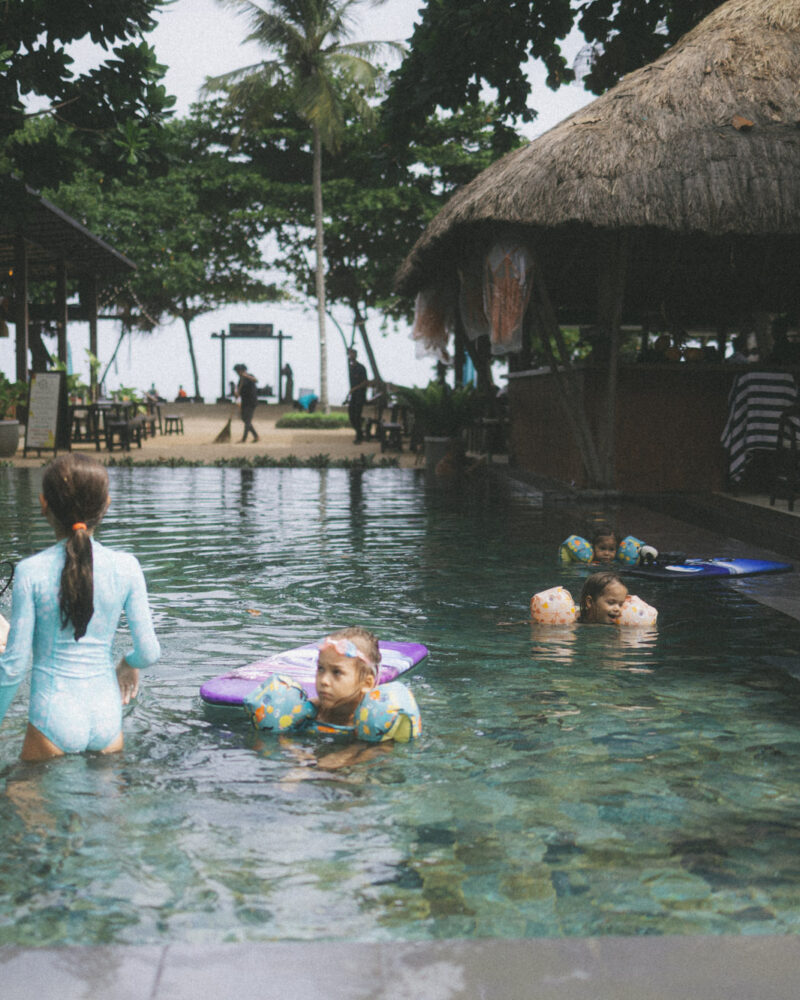
Experiences · Rama Shala, Harumalgoda, Habaraduwa, SRI LANKA
The place we built so that families like ours would have somewhere to land.
Rama Shala is where we live. It is also where we welcome families who want the same thing we wanted when we started travelling with children — a beautiful, unhurried place where the parents can breathe and the children can run.
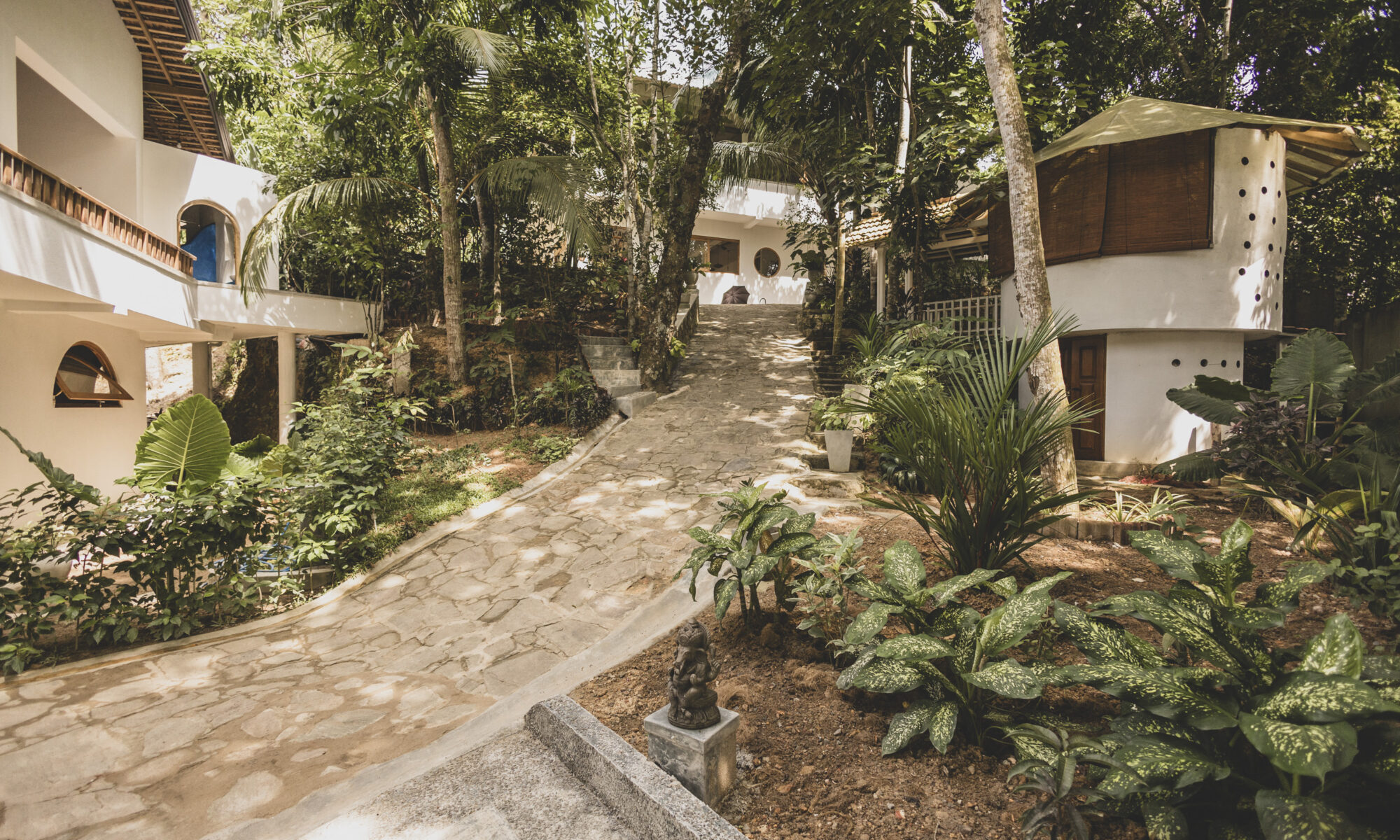
A note on transparency — Rama Shala is our home. We have not scored it against our standard dual-filter the way we would a third-party property, but we have tried to describe it as honestly as we would describe anyone else’s.
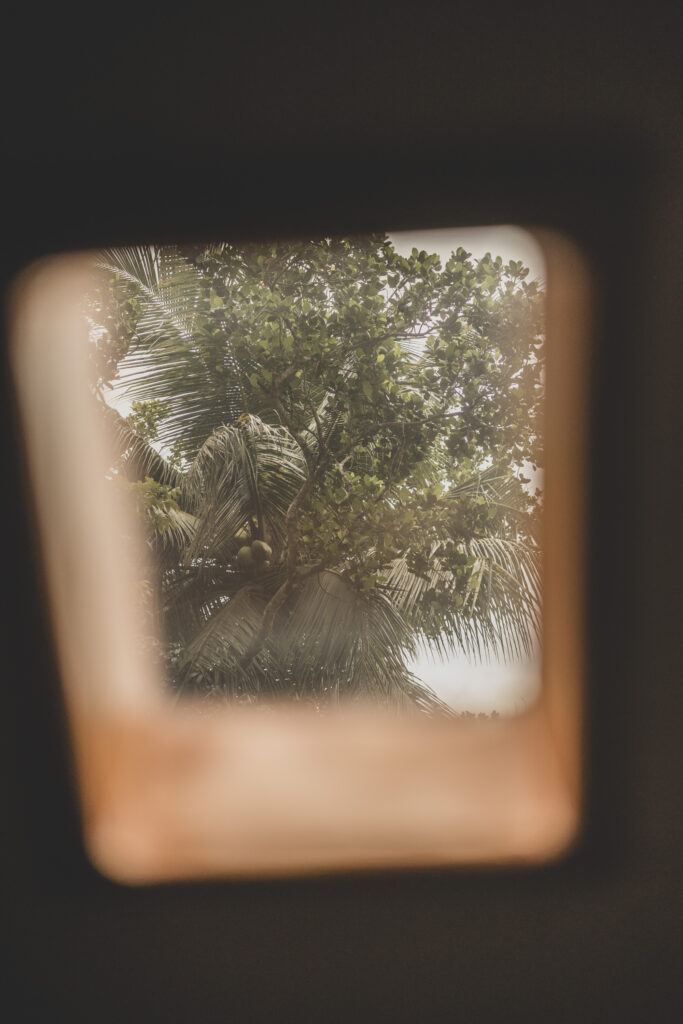
We built Rama Shala because we could not find what we needed. Not a resort. Not a villa. Not a wellness retreat that asked you to leave your children at the door. Something quieter and more specific than any of those — a sanctuary in the truest sense of the word, in a garden in Southern Sri Lanka, where the air smells of frangipani and the afternoons last forever.
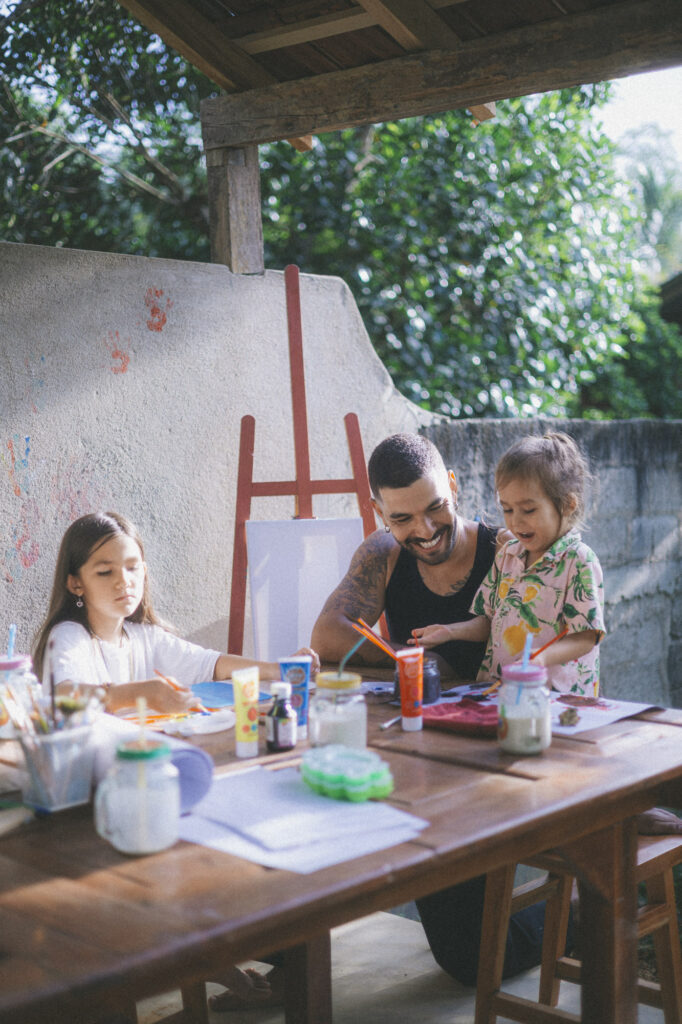
It is a movement sanctuary and a family home and a working creative space all at once, in the way that only a place built by people who actually live it can be. We are a family of six. Four children, two adults, and a deep conviction that the two things most retreat spaces treat as incompatible — serious personal practice and the reality of small children — can exist in the same compound without either one suffering.
What Rama Shala is
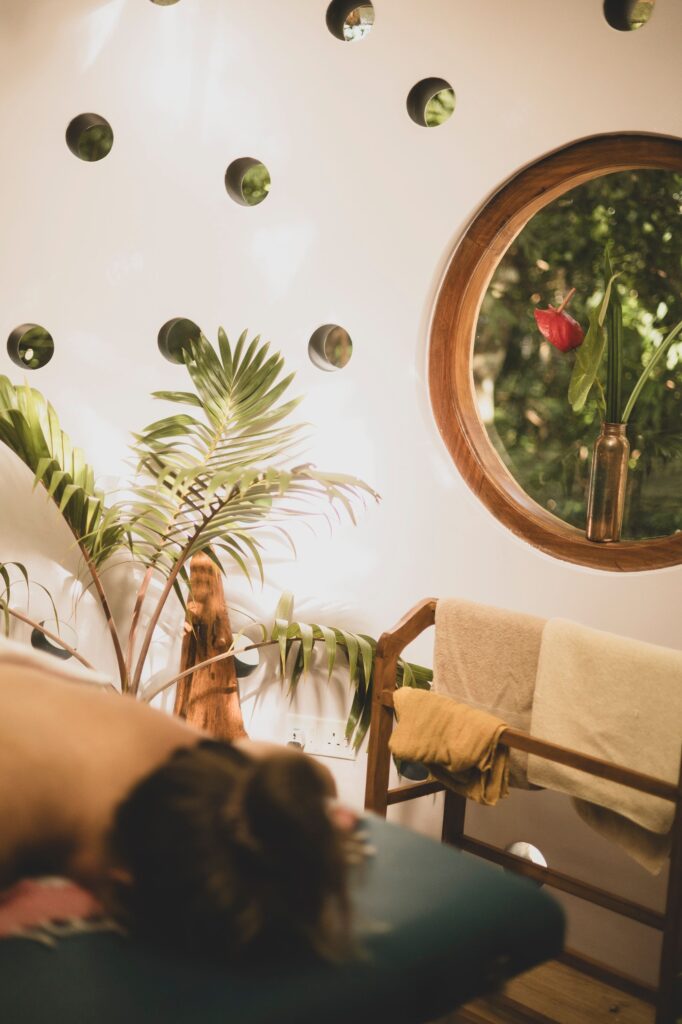
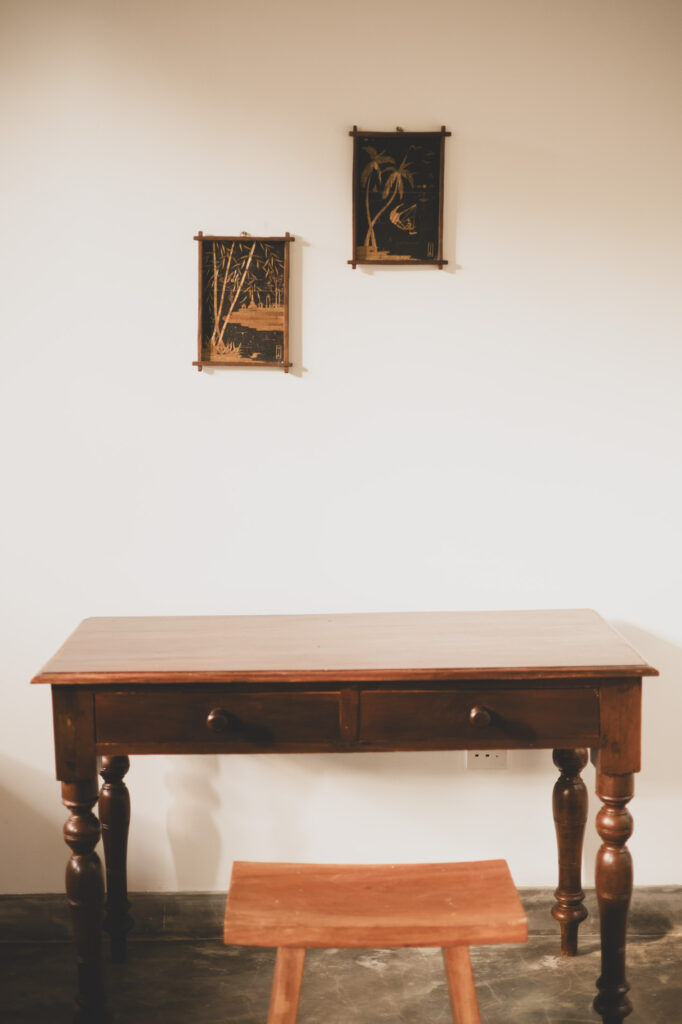
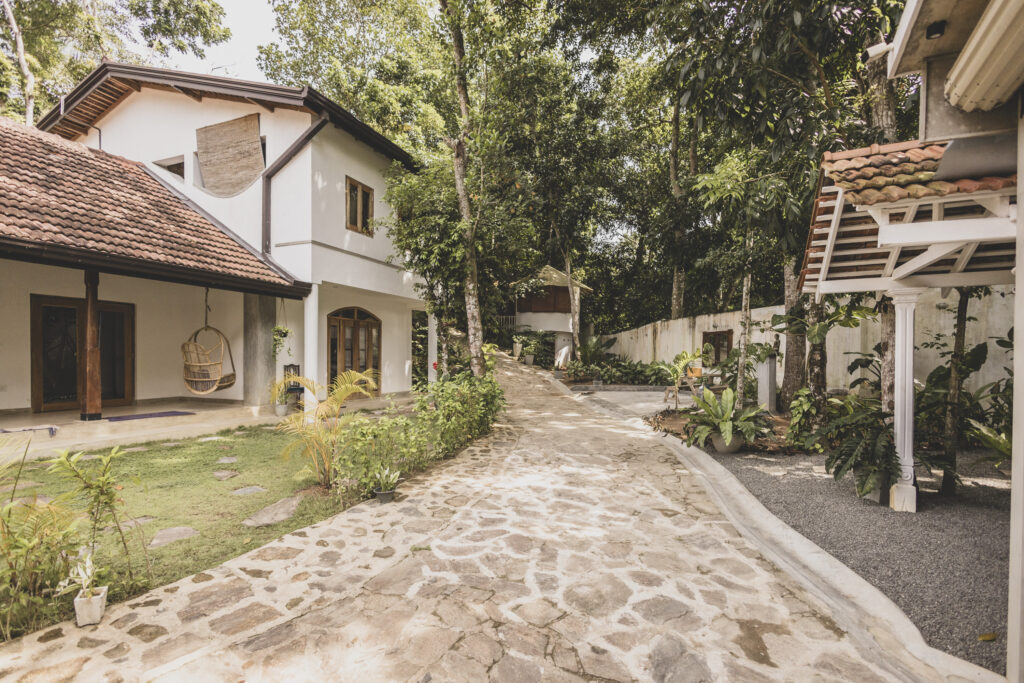
The shala sits in Harumalgoda, a village in the Southern Province between Galle and Matara, in a landscape of coconut palms and paddy fields and the particular quality of light that people who visit Sri Lanka’s south coast spend the rest of their lives trying to describe. The building itself is designed with the kind of honest material language we find everywhere we travel — exposed surfaces, natural textures, a spatial simplicity that feels considered rather than minimal.
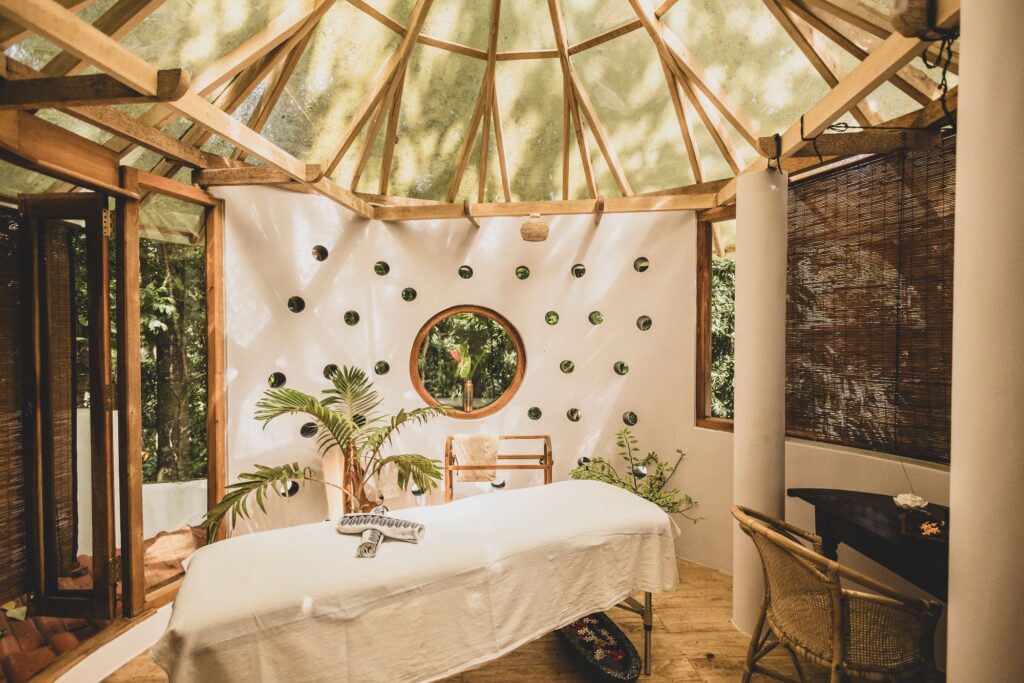
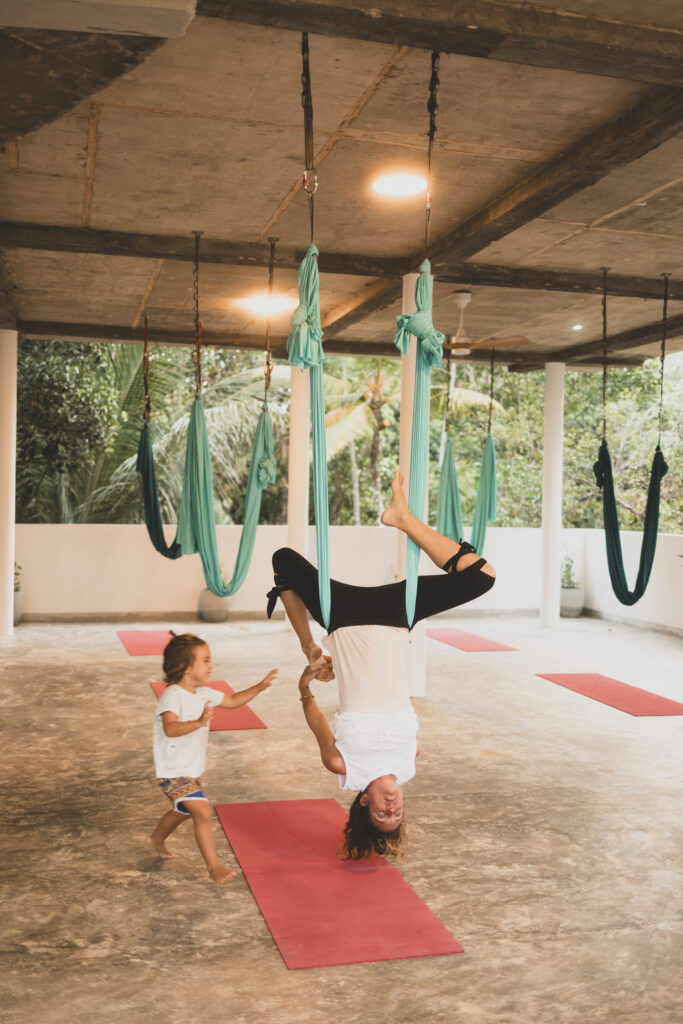
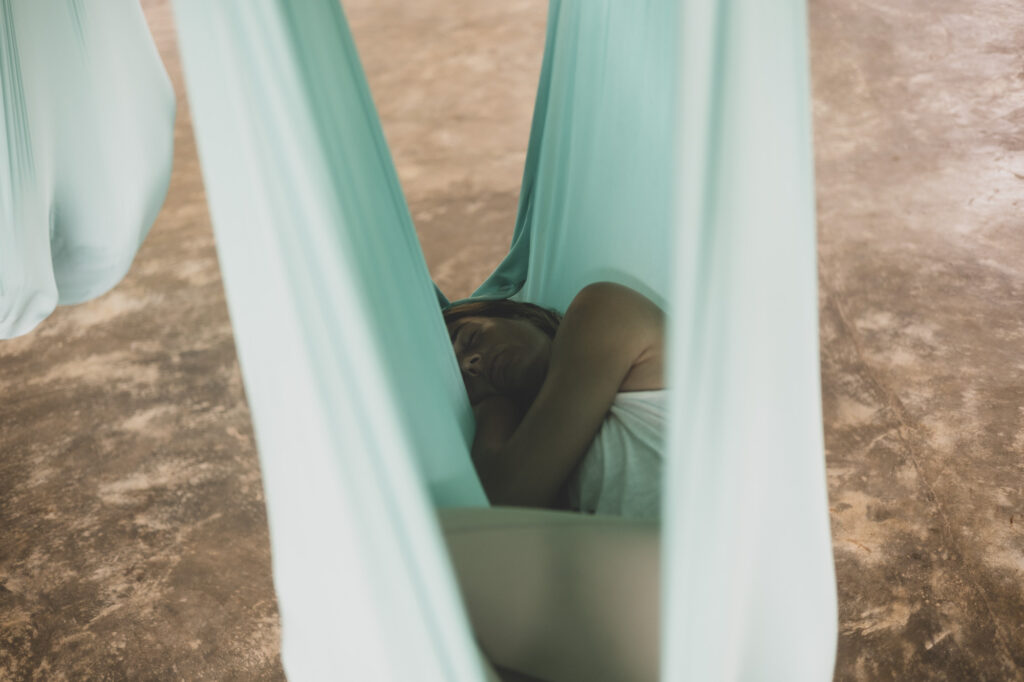
There are rooms for staying. There is a shala for moving — built for aerial yoga, Kundalini yoga, sound healing, NLP, and the kind of body-based practice that requires both space and silence. There are gardens for children to disappear into. There is a kitchen for nourishment. There are facilitators — among them Prashani Abeydeera, a Sound Healer and NLP Master, and Jaliya Rathnayaka, a certified NLP Trainer — who bring genuine depth to what happens here.
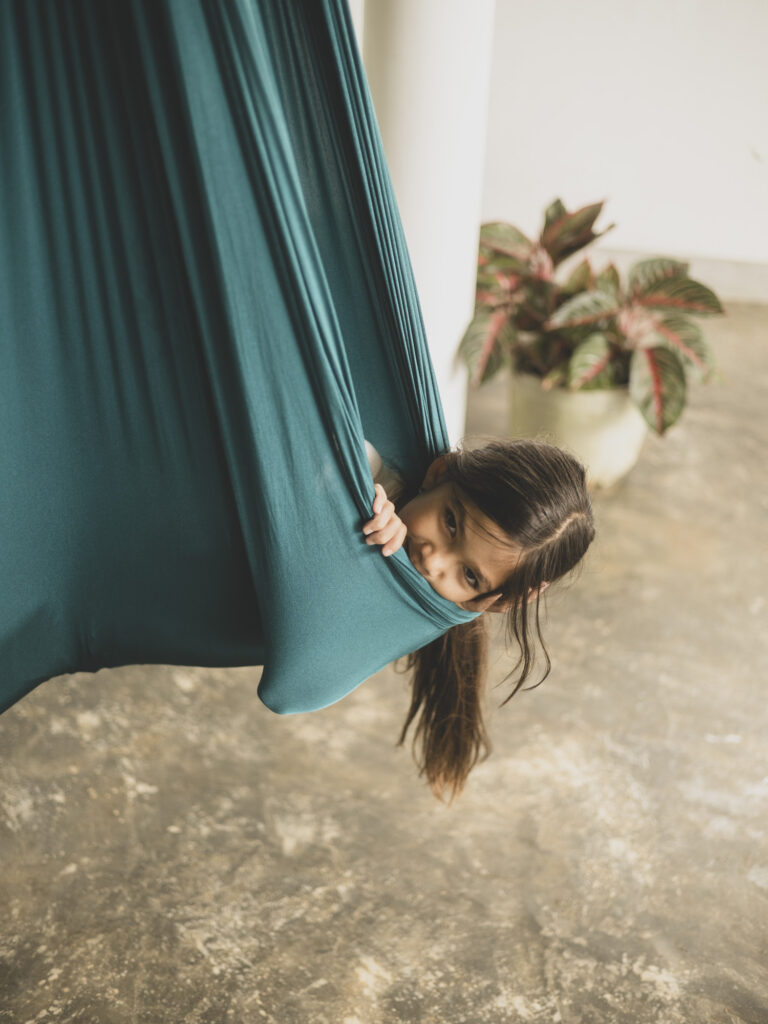
For the parents
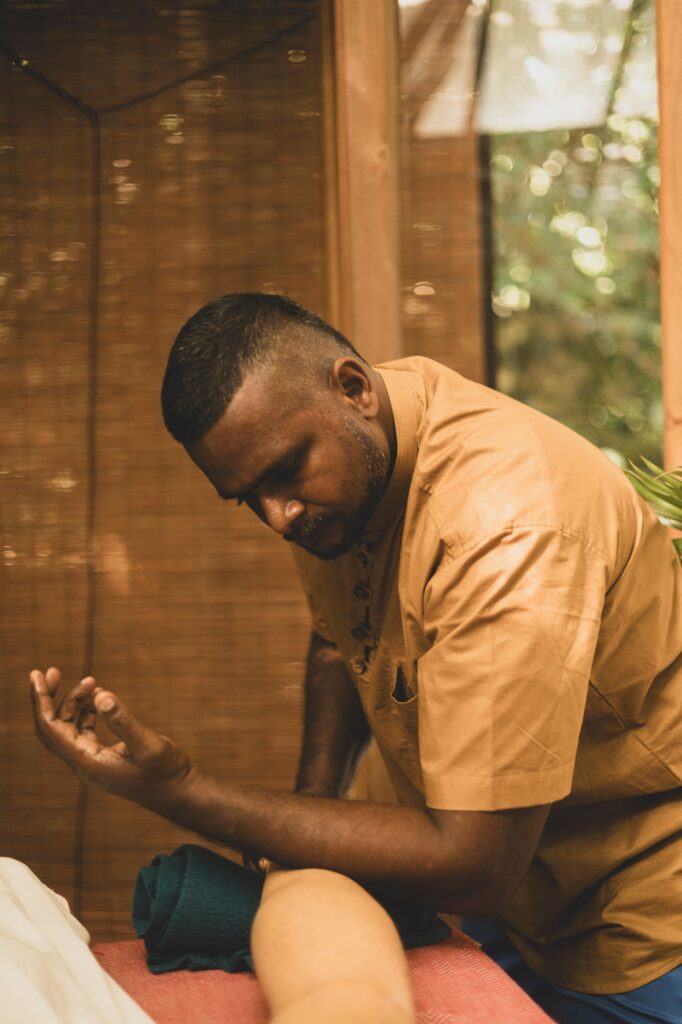
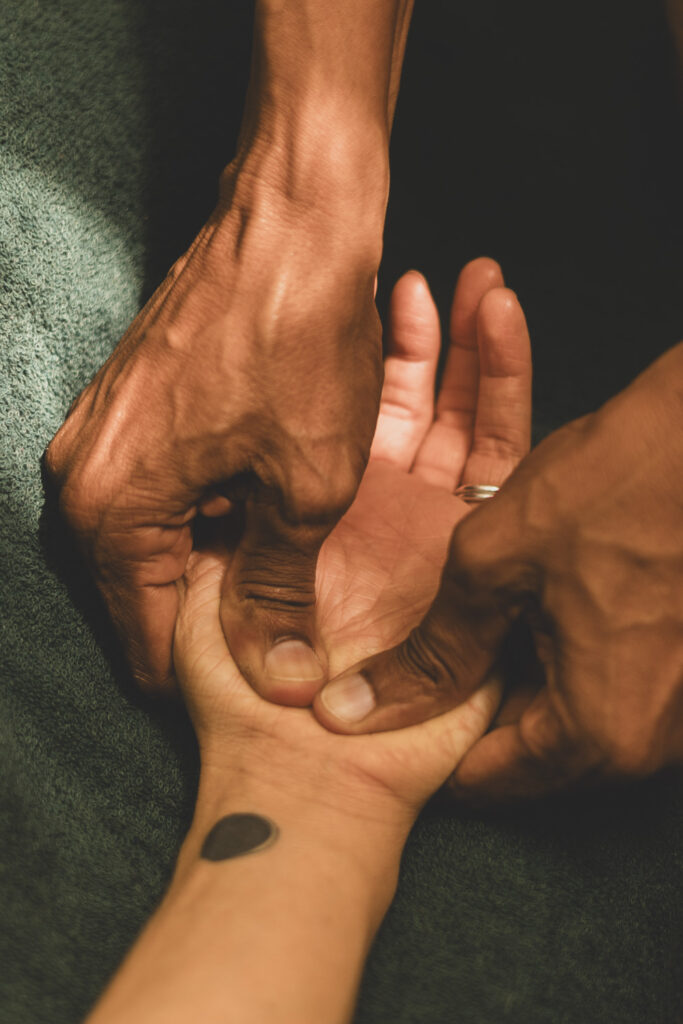
The retreat here is real. Morning practice in the shala. Aerial Yoga, Sound healing. Kundalini sessions that ask something of you. Breathwork, healing massages and long walks at the beach to release the particular kind of tension that accumulates when you are holding the weight of a family and a life simultaneously.
The thing that makes it possible for parents to fully arrive at that practice is knowing that their children are not being managed. They are not being occupied. They are being let loose in a place designed for exactly that kind of freedom and adventure.
We built this because we could not find it. A place where the adults practice seriously and the children roam freely, and neither one is a concession to the other.
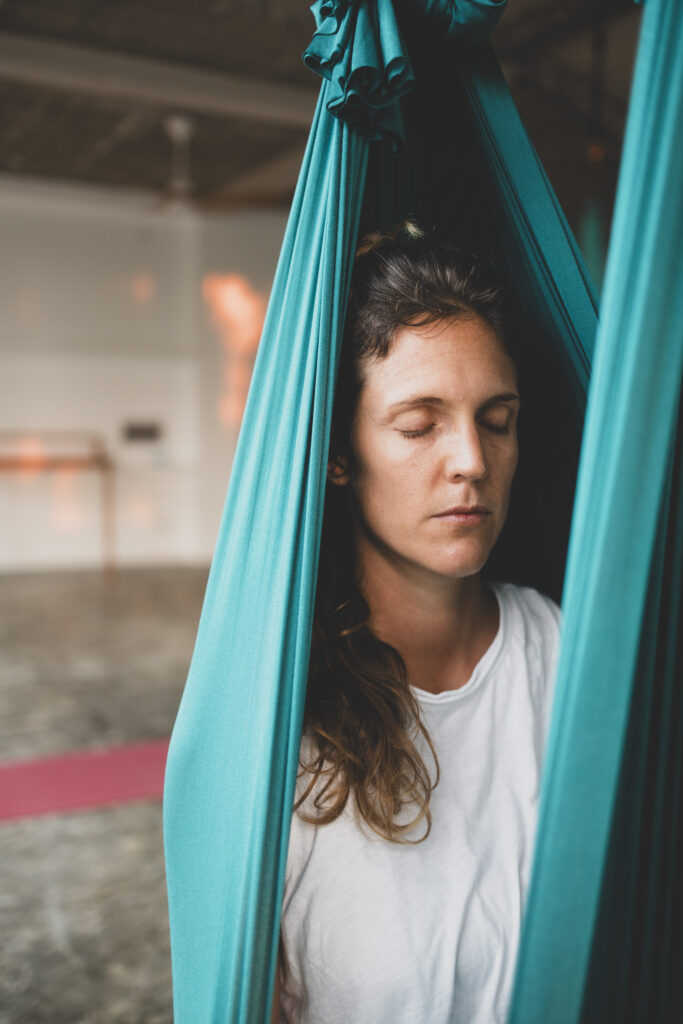
For the children
The playground, the garden at Rama Shala are the kind that reward investigation. There are things to climb and things to discover and corners where the light falls differently at different times of day. The Sri Lankan landscape does the rest — the monkeys, the birds, the insects, the garden life that children raised in cities have almost never encountered, and that children raised outdoors take entirely for granted and still find endlessly interesting.
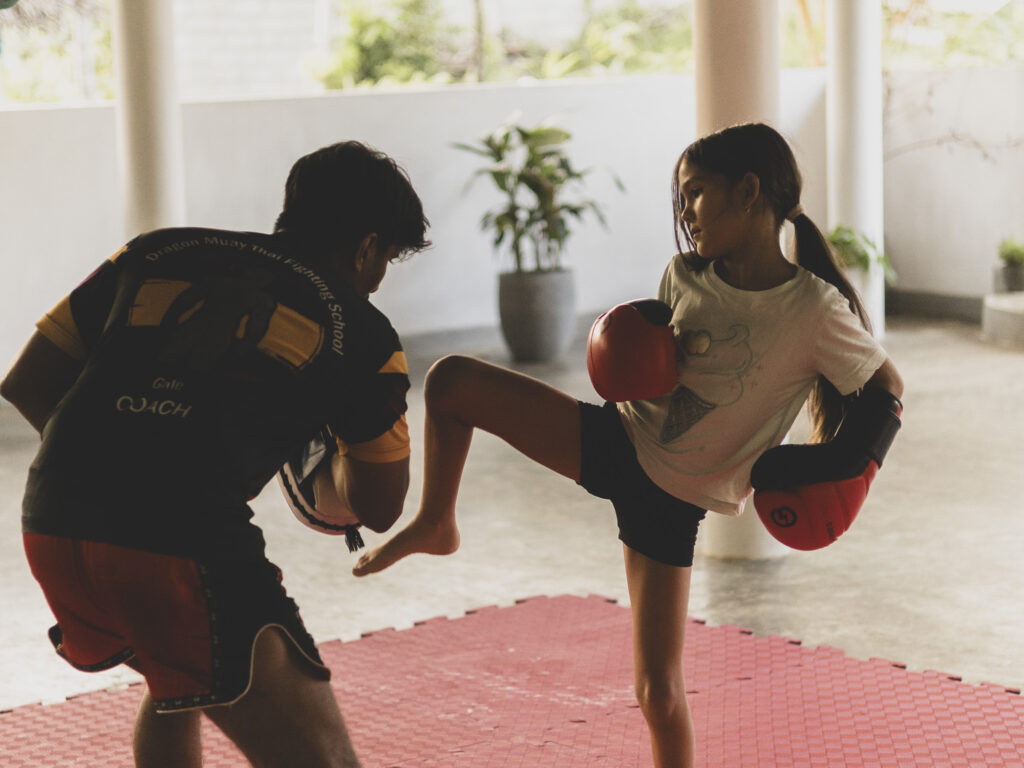
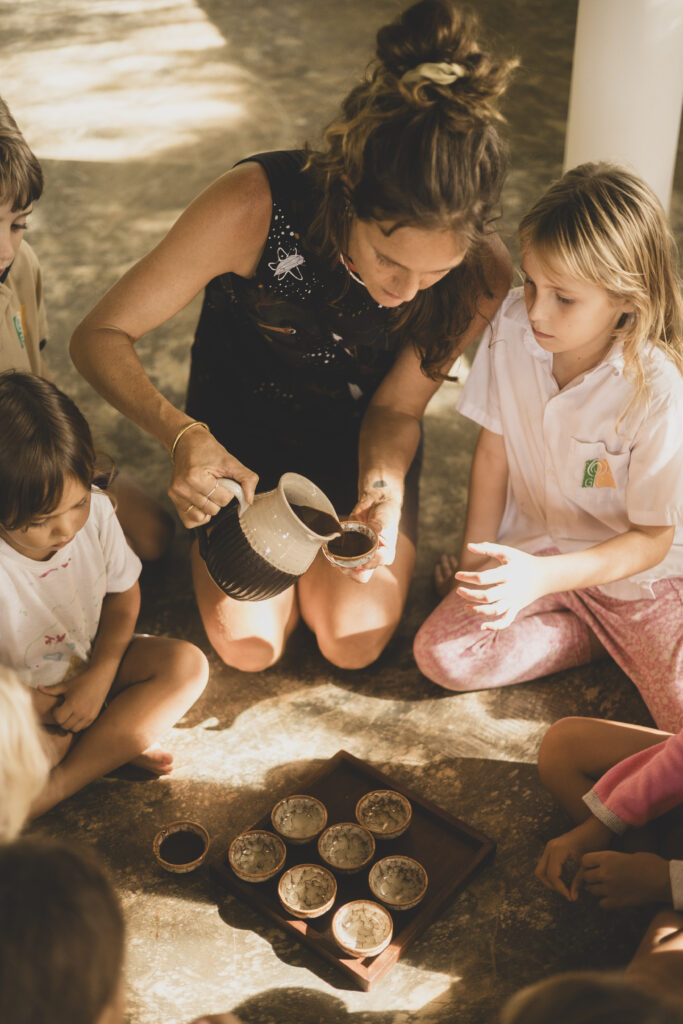
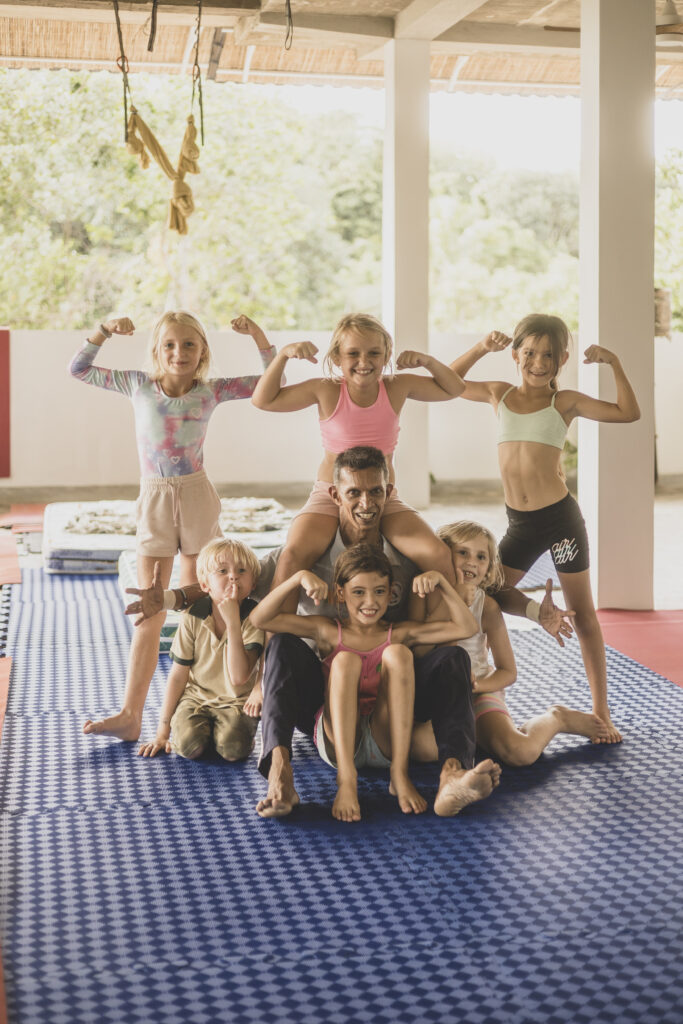
We run kids‘ programmes from the shala — surfing, boat tours on Koggala lake, movement classes, creative sessions, the kind of structured play that is actually unstructured in the ways that matter. The facilitators here are people who genuinely like children, which sounds like a low bar and is not. The children come back from their mornings tired in the way that means something was experienced, not just endured.
What a stay here feels like
Slow. Unhurried in a way that the south coast sometimes promises and rarely delivers. Meals eaten without agenda. Evenings that lengthen past the point where you notice time. A quality of quiet — not silence, because there are children and birds and the sounds of a working family home — but the kind of quiet that means you have arrived somewhere that could be your home.
We receive families who are often arriving from a long stretch of ordinary life. Busy, fragmented, held together by logistics rather than intention. What we offer them — parents and children together — is a few days or even weeks of something different. Not escape. Return.
Request experience
More from the magazine
Stay · BANYAN CAMP, HAMBEGAMUWA, SRI LANKA
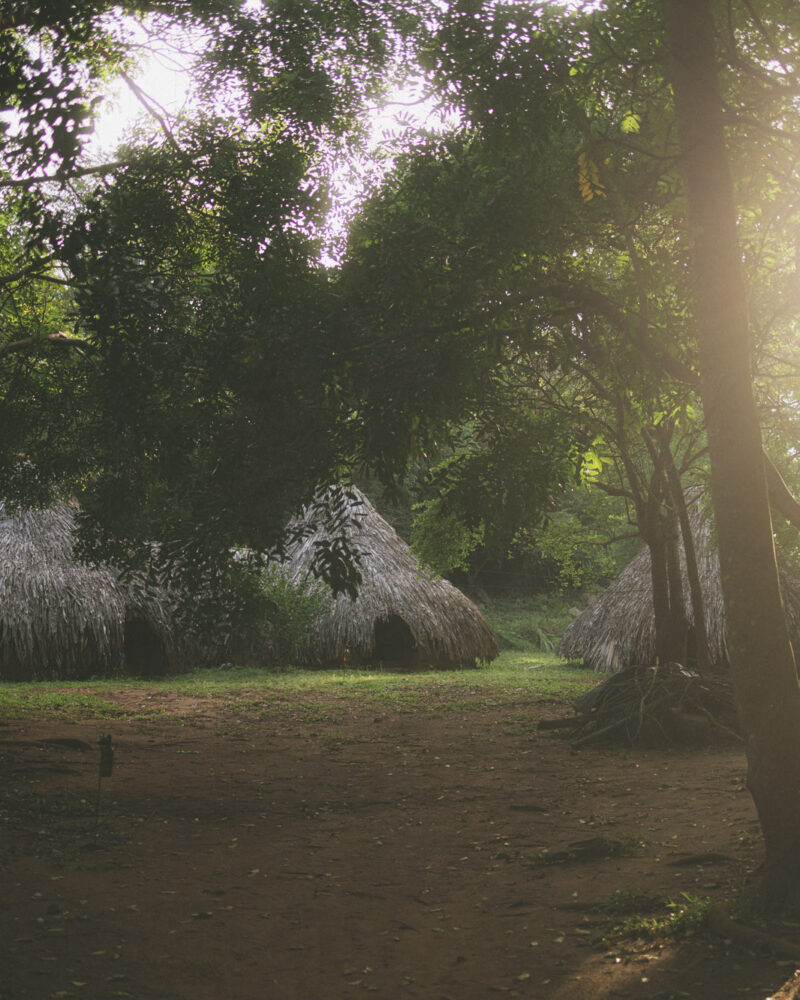
A floating deck under the banyan, where the lake does the parenting
Banyan Camp is reached on a road that does not behave like a road. It narrows, then forgets itself, then surrenders to a track of pale red earth that the rain has been arguing with for a decade. You park where a man tells you to park, which is under a tree, and you walk […]
Request these dates
Experiences · KOGGALA LAKE, SOUTHERN, SRI LANKA
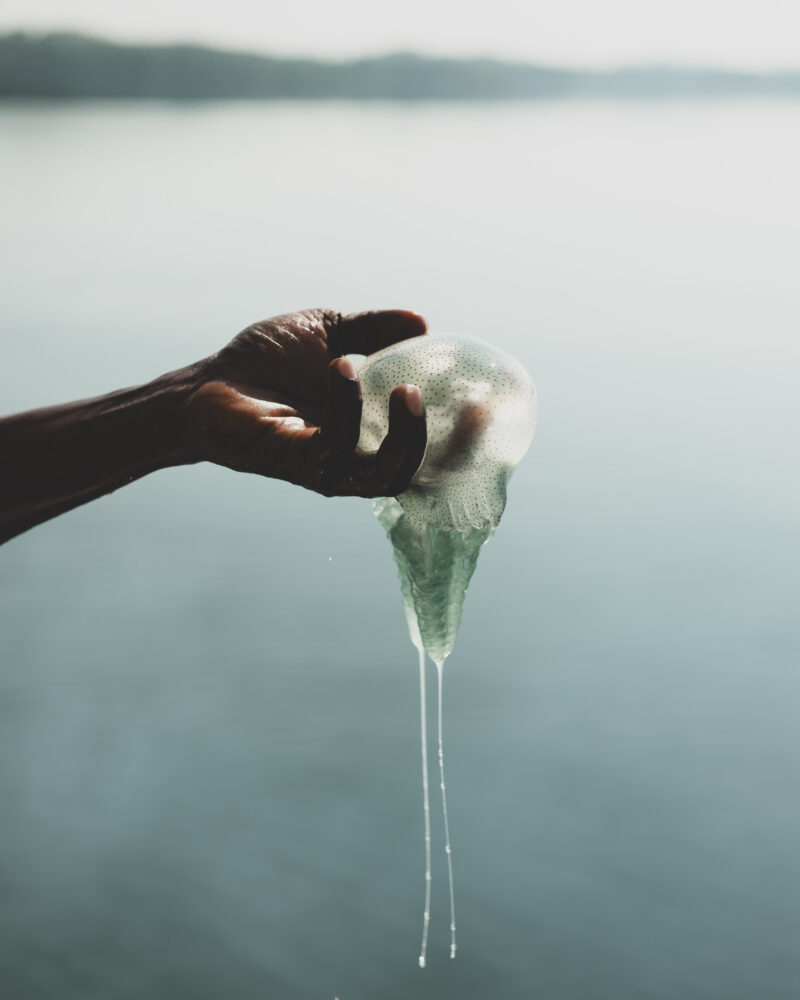
The man who knows this coast better than anyone will take you somewhere the guidebooks can’t.
The coast of Southern Sri Lanka looks beautiful from a car window. Naveen will make you want to get out of the car.